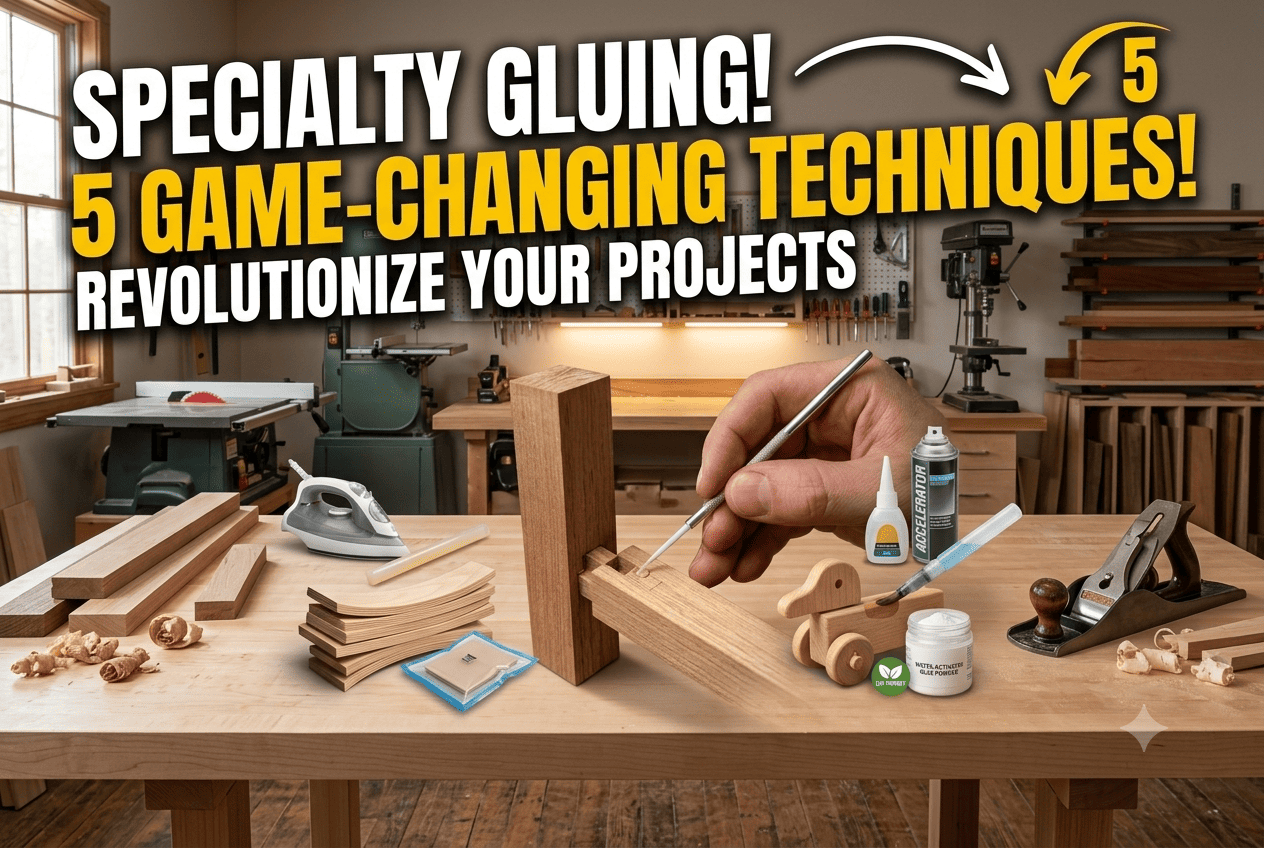
When it comes to woodworking, crafting, or any DIY project, the right adhesive can make all the difference. From ensuring a strong bond to enhancing the overall aesthetic appeal, specialty gluing techniques play a crucial role. In this blog post, we’ll explore five game-changing techniques that will revolutionize your projects and take your gluing skills to the next level.
1. Precision Application for Seamless Joints
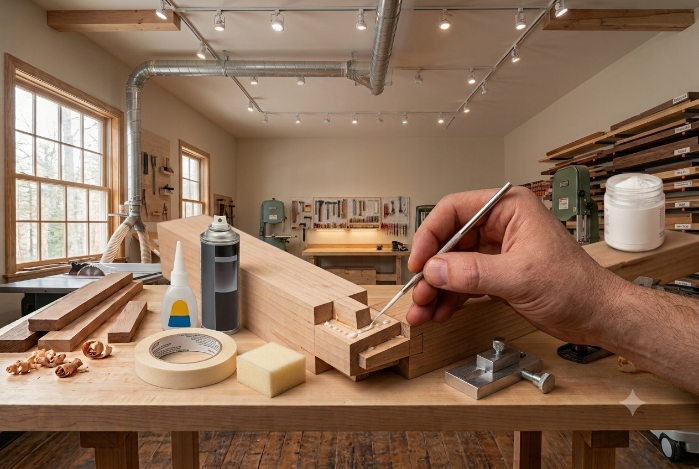
Achieving seamless joints is a hallmark of expert craftsmanship, and precision application is the key. Invest in precision applicators, such as glue syringes or micro brushes, to apply adhesive exactly where it’s needed. This technique is especially useful for intricate projects where excess glue can mar the final result. By delivering the glue precisely, you not only create stronger joints but also reduce the time spent on cleanup.
2. Heat-Activated Glues for Unrivaled Bonding Strength
Enter the world of heat-activated glues, a game-changer for those seeking unparalleled bonding strength. These adhesives, activated by heat sources like irons or heat guns, form incredibly strong bonds that withstand stress and strain. This technique is particularly effective for projects that demand extra durability, such as outdoor furniture or load-bearing structures. Heat-activated glues also provide an extended working time, allowing for adjustments before the bond sets.
3. Vacuum Pressing for Perfectly Laminated Surfaces
Laminating surfaces can be challenging, especially when dealing with large or curved projects. Enter vacuum pressing – a technique that ensures a flawless bond between layers. By using a vacuum press, you can eliminate air bubbles and achieve even pressure across the entire surface. This method is ideal for projects like veneering or laminating countertops, where a smooth and polished finish is non-negotiable. The vacuum pressing technique guarantees a professional look while increasing the longevity of your projects.
4. Cyanoacrylate Accelerators for Instant Bonding
Time is often of the essence in DIY projects, and waiting for glue to set can be a test of patience. Cyanoacrylate accelerators, also known as instant glue accelerators, are here to save the day. By spraying or applying these accelerators to the glued surfaces, you can speed up the curing process, reducing the waiting time from hours to mere seconds. This technique is a game-changer for quick fixes, repairs, or projects with tight deadlines. However, it’s crucial to use accelerators judiciously to avoid compromising the strength of the bond.
5. Water-Activated Glues for Environmentally Friendly Bonding
In an era where sustainability is paramount, water-activated glues offer an eco-friendly alternative to traditional adhesives. These glues, often derived from natural sources, form strong bonds when mixed with water. They are non-toxic and emit fewer harmful fumes, making them safer for both the environment and the user. Embrace this technique for projects where environmental impact is a consideration, such as crafting wooden toys or creating sustainable furniture. Water-activated glues are not only planet-friendly but also boast excellent bonding properties.
Specialty Gluing Techniques in Modern Packaging
Specialty gluing is not limited to woodworking and craft projects. In the packaging industry, precise adhesive application plays an important role in creating cartons, corrugated packaging, folding boxes, displays, and other custom packaging structures. A well-executed glue joint can help maintain the shape and integrity of a package while also providing a clean and professional appearance.
For packaging manufacturers, the objective is not simply to use more adhesive. The adhesive needs to be applied in the right location and in an appropriate amount for the material, box structure, and intended application. Too little adhesive can result in weak joints, while excessive adhesive may cause squeeze-out, uneven surfaces, or problems during assembly.
Choosing the Right Gluing Method for Packaging
Different packaging structures can require different gluing approaches. A simple folding carton may need only a straightforward adhesive seam, while a more complex package may include multiple glue points, folding panels, locking features, or laminated surfaces.
The material itself is another important consideration. Paperboard, corrugated board, coated stock, and laminated materials can behave differently during the bonding process. Adhesive selection and application should therefore be considered during the packaging design stage rather than treated as an afterthought.
For high-volume packaging production, automated folding and gluing can provide consistent application and repeatable results. More complex specialty packaging may require additional attention to alignment, glue placement, folding sequence, and compression.
Why Precision Matters in Specialty Packaging
Precision is one of the most important factors in specialty gluing techniques. A glue line that is misplaced by even a small amount can affect the appearance or assembly of a finished package. Clean application helps keep adhesive away from visible printed areas while ensuring that the intended bonding surfaces receive adequate coverage.
Precision also becomes particularly important when working with custom packaging designs. Die-cut shapes, unusual folds, multi-panel structures, and specialty cartons may require carefully planned glue locations to achieve consistent results.
When gluing is combined with other packaging processes such as printing, die cutting, folding, laminating, and assembly, each stage contributes to the final quality of the package. This makes careful process coordination important for achieving reliable and professional packaging results.
Specialty Gluing for Custom Packaging Projects
Custom packaging often requires more than simply folding a standard box and applying adhesive. Brands may need packaging with unique shapes, premium finishes, inserts, displays, or structural features designed around a specific product.
In these situations, specialty gluing techniques can help turn a packaging concept into a functional finished structure. The right combination of material selection, adhesive application, folding, and pressure can help create packaging that is both visually appealing and practical for handling.
Whether the project involves folding cartons, corrugated packaging, product displays, or another custom structure, the gluing process should support the overall purpose of the package. A strong bond, clean finish, accurate alignment, and consistent construction can all contribute to a better finished product.
Working With the Right Packaging Partner
A successful packaging project starts with more than choosing a box size. Design, materials, printing, die cutting, gluing, and final assembly all need to work together. This is especially important when a project involves specialty packaging or a complex structural design.
MS Boxes provides packaging solutions with capabilities including specialty gluing, specialty printing, die cutting, product designing, and packaging assembly. These capabilities allow packaging requirements to be considered as part of the overall production process rather than as separate steps.
For businesses developing custom packaging, discussing the structure and application requirements early can help identify the appropriate materials, construction methods, and finishing processes for the project.
Conclusion
In the realm of specialty gluing, innovation is the key to elevating your projects to new heights. From precision application to eco-friendly options, these game-changing techniques are designed to meet the diverse needs of DIY enthusiasts and craftsmen alike. Incorporate these methods into your toolbox, and watch as your projects undergo a revolutionary transformation, characterized by stronger bonds, impeccable finishes, and a newfound sense of creativity. The world of specialty gluing is evolving – are you ready to revolutionize your projects?